
Lingerie Care 101: How to Wash, Dry and Store Your Delicates
Keep your bras, lace and satin beautiful for longer with our complete care guide to washing, drying, stain removal, storage and rotation.
Read articlePopular searches
Shapewear
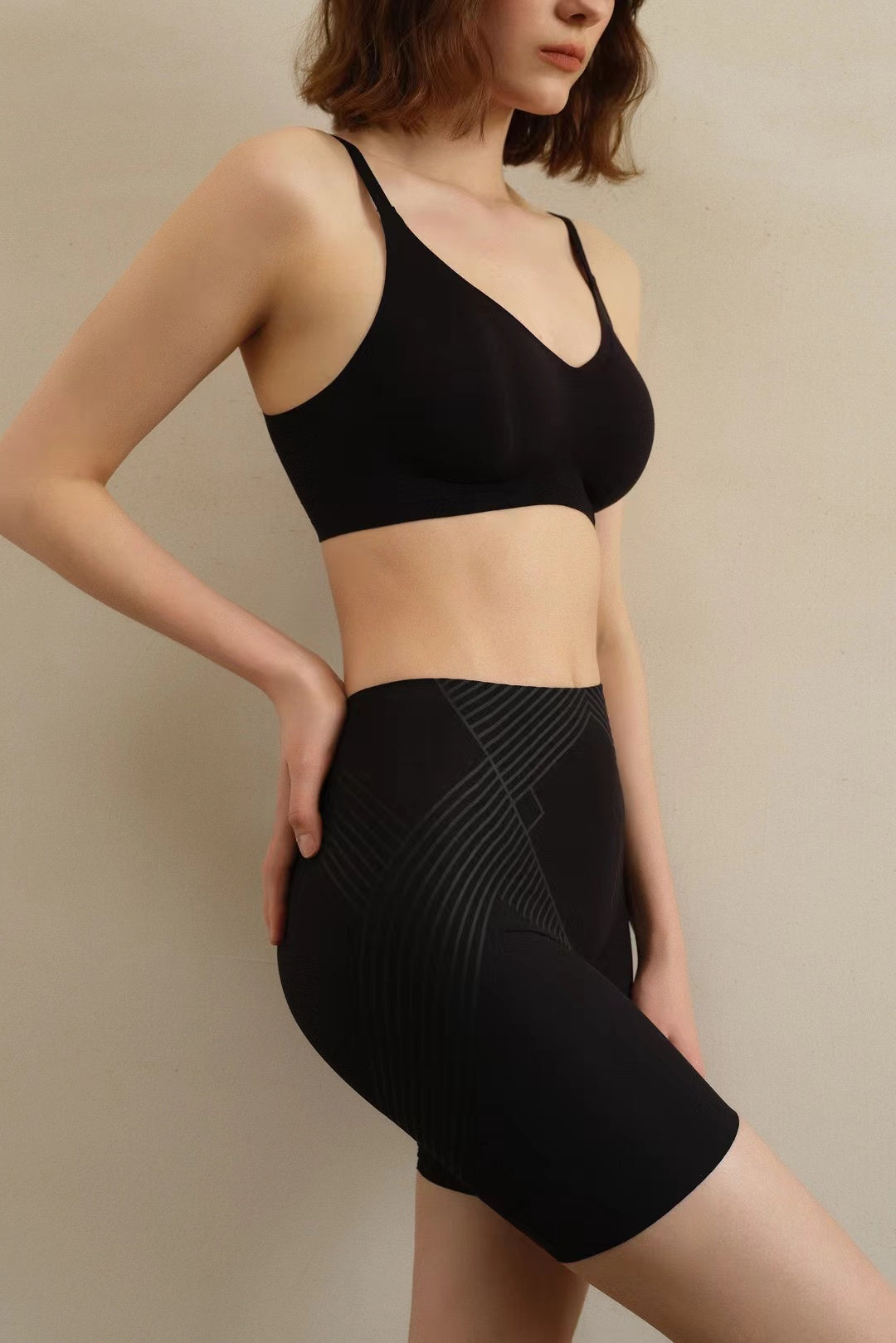
Shapewear has a complicated reputation. For many women, the word still brings up memories of rigid girdles, garments that rolled down by lunchtime, and the sense that the goal was to squeeze into something rather than feel good in it. The good news is that modern shapewear has changed a great deal. Today's best pieces are made from breathable, flexible knits and designed to smooth and support. They are not meant to force your body into a different shape.
This guide is about choosing shapewear that works with you. We will cover what the different control levels actually mean, which styles suit which outfits, how to find your size (and why sizing down is a mistake), the warning signs of a poor fit, and how to care for your pieces so they last. We will also talk honestly about comfort, wearing time, and mindset, because shapewear should add confidence to your day. It should never cost you comfort to get it.
At its simplest, shapewear is a supportive underlayer that smooths lines under clothing. Think of it as a foundation for your outfit: it creates a clean base so fabric drapes and falls the way the designer intended. Fitted dresses skim instead of catching, and waistbands sit flat instead of creasing.
Modern shapewear typically uses a blend of nylon or polyamide with elastane, knitted in zones so that some areas offer more support and others offer more stretch. Many pieces are seamless or have bonded, flat edges that do not show through clothing. The best designs distribute pressure evenly, which is both more comfortable and more flattering than a single tight band.
Shapewear is usually described by its level of control. There is no universal standard across brands, but the categories below are a reliable guide.
| Control level | How it feels | What it does | Best for |
|---|---|---|---|
| Light | Like a supportive second skin; barely noticeable | Smooths lines, prevents chafing, reduces visible panty lines | Everyday wear, thin knits, all-day comfort, first-time shapewear |
| Medium | A gentle, even hug | Smooths and gently sculpts the waist, hips, and thighs | Fitted dresses, workwear, events of a few hours |
| Firm | Noticeably structured and supportive | Stronger sculpting and a more defined silhouette | Special occasions, body-con dresses, shorter wearing periods |
If you are new to shapewear, start with light or medium control. Many women find that a well-fitted medium-control piece gives them everything they wanted from a firm one, with far more comfort.
The right style depends on your outfit. Here is how the main types compare and where each one shines.
High-waist shaping shorts are the most versatile piece you can own. They smooth the tummy, hips, and thighs, and they prevent thigh chafing, which alone makes them a summer favorite under dresses and skirts. Look for a high waist that sits at or above the natural waist so it does not roll, and a leg that ends at mid-thigh with a flat, grippy hem. Our SuperPower Sculpt Short is designed exactly this way, with a high waist and a smooth leg finish for dresses, skirts, and fitted trousers.
A shaping bodysuit covers from the bust to the hips in one piece, which means no waistband to roll and a seamless line through the torso. Some have built-in cups; others are open-bust so you can wear your own bra. Bodysuits are excellent under fitted tops, jumpsuits, and body-con dresses. A thigh-length bodysuit adds smoothing through the legs.
High-waist shaping briefs smooth the tummy and hips without covering the thighs. They are ideal under trousers and jeans, where a short might add bulk, and under skirts with a looser line.
A shaping slip is a full or half slip with gentle compression. It helps dresses glide rather than cling, prevents static, and smooths from waist or bust to thigh. It is a lovely choice under knit dresses and lined skirts.
Shaping camis smooth the upper torso and back and can double as a layering piece. They work well under fitted blouses and thin sweaters, and many women like the back smoothing they give under close-fitting tops.
| Outfit | Best shapewear | Why |
|---|---|---|
| Fitted or body-con dress | Thigh-length bodysuit or shaping short | Continuous smooth line with no waistband ridge |
| A-line or flowy dress in summer | Light-control shaping short | Prevents thigh chafing, stays cool |
| Pencil skirt | High-waist shaping short or slip | Smooths hips and helps the skirt glide |
| Tailored trousers or jeans | High-waist shaping brief | No extra bulk through the leg |
| Fitted knit top | Shaping cami or bodysuit | Smooths the back and torso |
| Jumpsuit | Bodysuit | One layer from bust to hip, no rolling |
| Wedding or formal gown | Medium or firm bodysuit or short, chosen to match the neckline and back | Structure for a long event, planned around the dress |
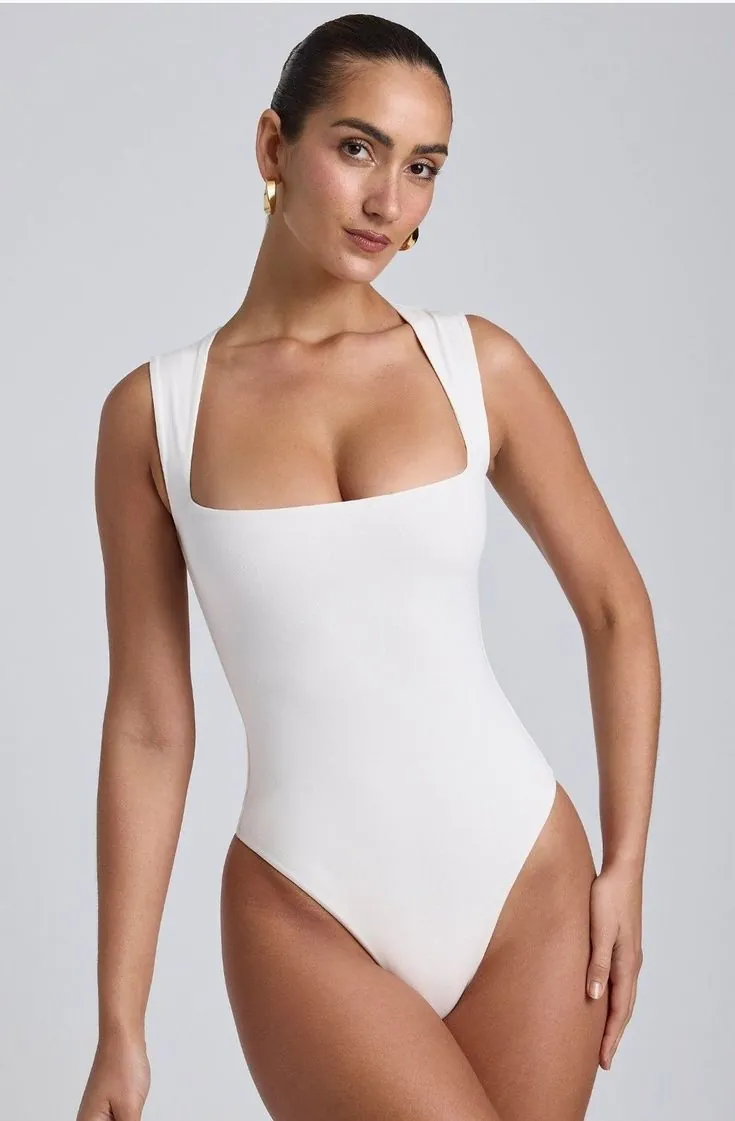
This is the single most important section of this guide, so here it is plainly: do not size down. Choosing a smaller size does not create more shaping. It creates rolling, digging, and discomfort, and it often makes lines more visible rather than less. Shapewear is engineered to do its job in your true size.
Stylist tip: Try new shapewear at home with the actual outfit you plan to wear it under. Sit down, walk around, climb a few stairs, and bend to pick something up. Ten minutes of real movement will tell you more than a mirror ever will.
Shapewear should feel snug and supportive, never painful. If you notice any of these, the piece is the wrong size, the wrong style, or the wrong control level for you:
Comfort is not a bonus feature. It is the whole point. If you have any health concerns, including circulation, digestive, or pregnancy-related concerns, or if you are recovering from surgery, talk with your doctor before wearing compression garments.
Good shapewear feels like support. If it feels like punishment, it is the wrong piece.
Construction details make a big difference over a full day. When you shop, look for:
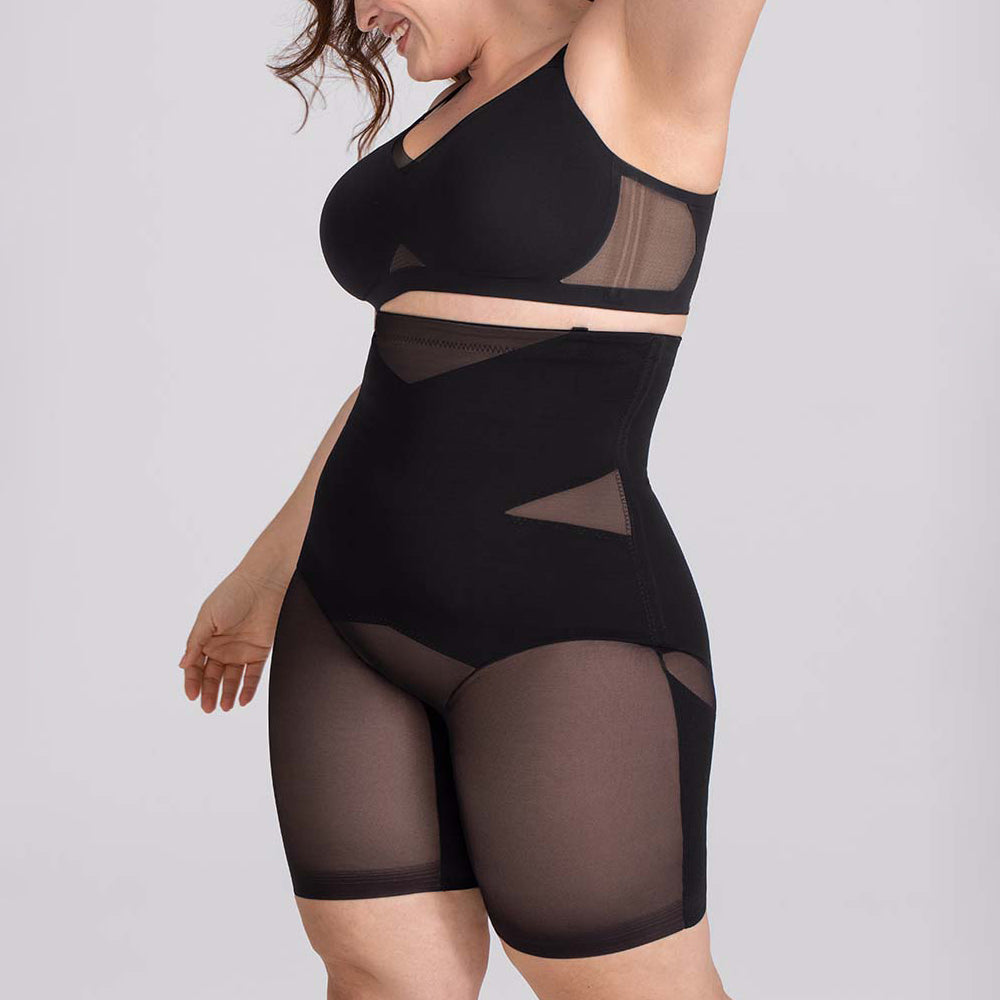
It helps to think of shapewear in two categories, each with a different set of priorities.
Everyday shapewear should be light to medium control, breathable, and comfortable enough that you forget you are wearing it. Its main jobs are smoothing lines under clothes, preventing chafing, and giving a gentle sense of support. Seamless shorts and briefs are the everyday heroes. If you wear dresses often in warm weather, a light shaping short may become one of your most-worn pieces.
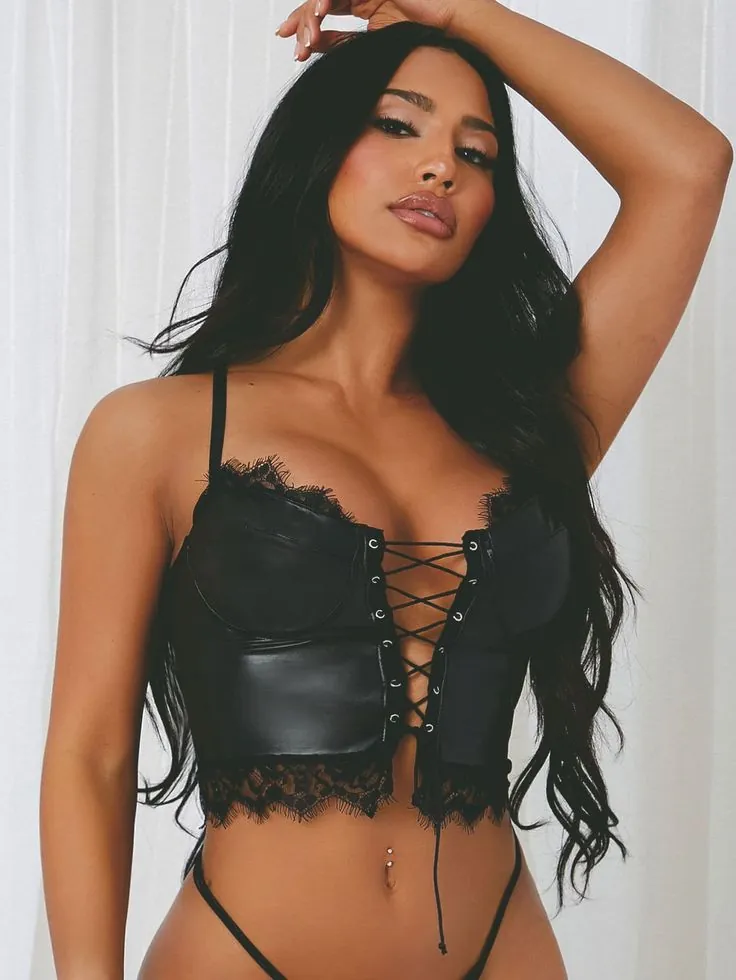
For weddings, galas, and photographed events, you may want more structure under a fitted gown. Medium to firm control can work well here, but plan around the dress: check the neckline, back, and hemline so nothing shows, and do a full rehearsal wearing the complete outfit before the day. Bring a lighter backup piece in your bag if the event is long. For a formal look that pairs lingerie and structure, a corset-style piece like the Midnight Lace-Up Corset Top can also add waist definition while being part of the outfit itself.
There is no single rule for how long to wear shapewear, because it depends on the control level, the fit, and your own comfort. A few principles help:
Elastane is what gives shapewear its recovery, and it is also the fiber most easily damaged by heat. Treat your pieces gently and they will keep their shape much longer.
Our full guide on how to wash lingerie walks through hand-washing step by step.
Here is the part we care about most. Your body does not need fixing. Shapewear is a styling tool, the same way a well-cut blazer or the right pair of shoes is a styling tool. Some days you may want a smooth line under a slinky dress, and that is a perfectly good reason to wear it. Other days you may not want it at all, and that is just as valid.
If you notice that shapewear has become something you feel you have to wear rather than something you choose, it may be worth stepping back. Try wearing that dress with a light-control short one day and without shapewear the next, and notice how you feel. Often the difference matters far less to anyone else than it does in our heads. Our article on lingerie and self-confidence explores this more gently.
Stylist tip: Pair your shapewear with a bra you love. A beautiful set underneath, even one nobody else sees, shifts the whole experience from "hiding" to "getting dressed for myself."
The best shapewear is the piece you forget you are wearing. Choose your true size, start with lighter control, look for breathable knits and flat edges, and take it off the moment it stops feeling good. Used this way, shapewear is simply one more tool that helps your clothes look and feel the way you want.
Take your measurements, choose your true size, and browse the Daffanny collection for shaping pieces made with comfort in mind.
No. Sizing down causes rolling, digging, and discomfort, and often makes lines more visible. Choose your true size, and size up if you are between sizes.
Light control in the right size can often be worn comfortably all day, while medium and firm control are better for shorter periods with breaks. Take it off whenever you feel discomfort, tingling, or trouble breathing, and check with your doctor if you have health concerns.
High-waist shaping shorts are the most versatile choice under dresses because they smooth the tummy and hips and prevent thigh chafing. For very fitted dresses, a thigh-length bodysuit gives a continuous line with no waistband.
Keep reading
Keep your bras, lace and satin beautiful for longer with our complete care guide to washing, drying, stain removal, storage and rotation.
Read articleLingerie can be a quiet act of self-care. Discover rituals, kinder self-talk, and simple ways to build a drawer full of pieces that make you feel good in your own skin.
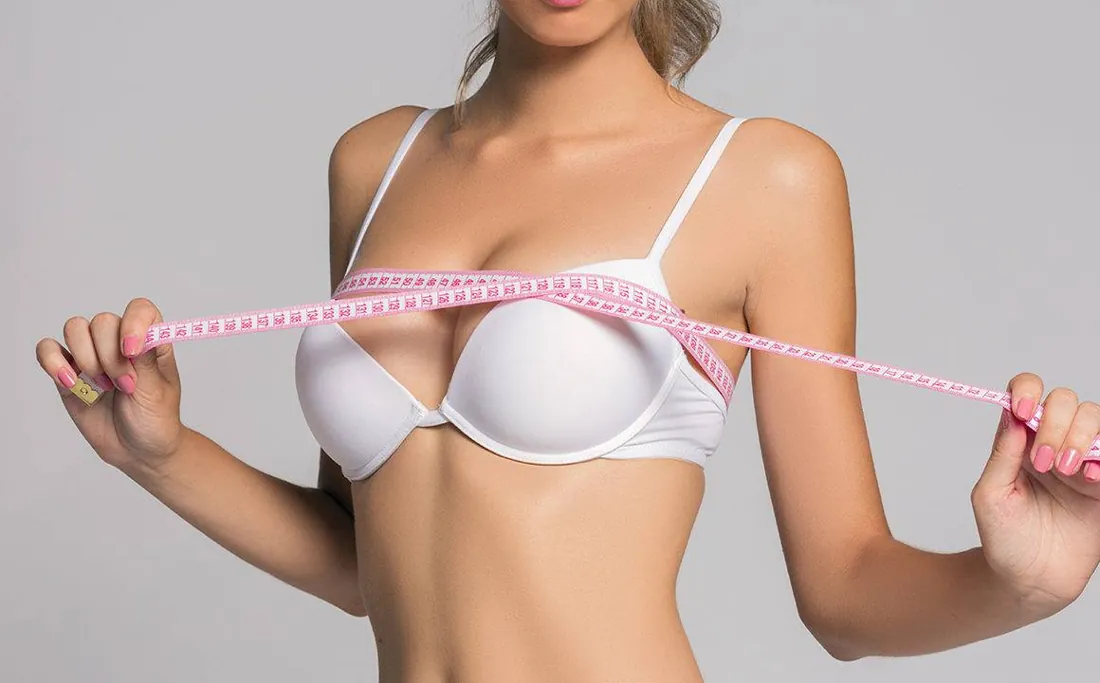
Read articleAll you need is a soft tape and ten minutes. Learn to measure your band and bust, calculate your cup, use sister sizes and check fit like a stylist.
Read articleYour bag