Lingerie Care 101: How to Wash, Dry and Store Your Delicates
By Daffanny Fit Studio··9 min read
Beautiful lingerie is an investment in how you feel every day, and the way you care for it decides how long that feeling lasts. Heat, friction, harsh detergents and careless storage are the quiet culprits behind stretched bands, pilled lace, dented cups and faded color. The encouraging part is that proper care is neither complicated nor time-consuming. Once you know a few principles, looking after your delicates becomes a simple, almost soothing ritual.
In this guide we cover everything a fit stylist wishes every customer knew: how often to wash each piece, how to hand wash and machine wash safely, which detergents to choose, why the dryer is off-limits, how to treat special fabrics like silk and shapewear, how to lift stains and odors, and how to store and rotate your collection so each piece stays soft, supportive and lovely for as long as possible.
How Often to Wash Your Lingerie
Not every piece needs washing after every wear. Over-washing wears out elastic faster, while under-washing lets body oils, sweat and lotions break down fibers. The right rhythm depends on how close the garment sits to your skin and how much you sweat in it.
Item
Wash after
Notes
Briefs, thongs, bikinis
Every wear
Always, without exception
Everyday bras
2 to 3 wears
Sooner in hot weather or after heavy sweating
Bralettes
2 to 3 wears
Soft lace bralettes benefit from frequent gentle washing
Sports bras
Every wear
Sweat and bacteria build up quickly
Shapewear
1 to 2 wears
Washing helps elastic recover its shape
Corsets and bustiers
Spot clean; wash rarely
Air out after each wear; follow the label
Garter belts
3 to 4 wears
Less skin contact means fewer washes
Sleepwear and babydolls
3 to 4 wears
More often if worn directly against skin in summer
Stockings and hosiery
Every wear
Hand wash to prevent runs
Between wears, let bras rest for at least a day. This gives the elastic time to relax and recover, which is one of the easiest ways to extend a bra's life.
Hand Washing, Step by Step
Hand washing is the gold standard for lingerie. It is gentle on lace, elastic and underwires, and it only takes about fifteen minutes, most of which is soaking time.
Fill a clean basin or sink with cool to lukewarm water. Hot water weakens elastane and can cause dyes to bleed.
Add a small amount of gentle detergent, roughly a teaspoon per basin, and swirl to dissolve before adding your garments.
Separate colors. Wash darks, lights and brights separately, especially the first few times, since deeper shades can release dye.
Fasten all hooks so they cannot snag lace or mesh.
Submerge and soak for 10 to 15 minutes. Soaking does most of the work, loosening oils and residue without friction.
Gently swish and press the fabric with your hands. Focus lightly on the band and areas that touch the skin most. Avoid scrubbing, twisting or wringing.
Rinse in clean, cool water until no suds remain. Leftover detergent can irritate skin and stiffen fibers.
Press out excess water. Lay the garment flat on a clean, dry towel, roll the towel up, and press gently. Never wring.
Reshape and dry flat or hang as described in the drying section below.
Satin and lace pieces keep their colour and shape longest when washed by hand in cool water.
Machine Washing Safely
Life is busy, and sometimes the washing machine is the realistic option. Many everyday bras, microfiber briefs and cotton pieces can be machine washed with the right precautions. Always check the care label first; if it says hand wash only, respect it.
Use a mesh laundry bag. This is non-negotiable. It prevents straps from tangling, hooks from snagging other garments and underwires from working loose. Wash one or two bras per bag so they have room to move.
Fasten every hook and eye before bagging.
Choose the delicate or hand-wash cycle with a low spin speed.
Wash cold. A cold or 30°C (86°F) setting protects elastic and color.
Wash with similar items only. Avoid heavy fabrics such as jeans and towels, and anything with zippers or Velcro that can catch lace.
Remove promptly when the cycle ends so garments do not sit wet and crumpled.
Stylist tip: Molded and padded bras keep their shape best when hand washed. If you must use the machine, choose a firm, bra-shaped wash bag that holds the cups in their natural curve.
Choosing the Right Detergent
Regular laundry detergents are designed to tackle heavy soil on tough fabrics. They often contain enzymes, optical brighteners and strong surfactants that are too harsh for delicate fibers and elastane.
Look for a gentle, pH-balanced detergent made for delicates or hand washing.
For silk, choose a detergent specifically suitable for silk and wool. Many standard detergents contain protein-digesting enzymes that can damage protein fibers.
Skip fabric softener. It coats fibers, reduces the wicking ability of fabrics and can weaken elastic over time.
Avoid bleach, including on white lingerie. It breaks down elastane and can yellow some synthetics.
Use less than you think. Delicates need only a small amount, and excess detergent is hard to rinse out.
A mild, fragrance-free option is a smart choice if your skin is sensitive.
Drying: Why You Should Never Tumble Dry
If there is one rule to remember, it is this: keep lingerie out of the dryer. High heat is the fastest way to destroy elastic, warp underwires, shrink delicate fabrics and deform molded cups. Even a single cycle can make a band noticeably looser.
Treat your lingerie gently and it will return the favor, every single time you put it on.
How to air dry properly
Reshape while damp. Smooth cups into their natural shape, straighten straps and gently tug lace edges back into line.
Bras: Hang over a drying rack or a line by the center gore, so the cups fall on either side. Avoid hanging by the straps, as the weight of water can stretch them.
Knit pieces and shapewear: Dry flat on a towel or mesh rack to prevent stretching.
Silk and satin: Lay flat or hang on a padded hanger away from direct light.
Keep away from direct heat. Radiators, heated towel bars and strong direct sunlight can weaken fibers and fade color.
Most lingerie dries within a few hours to overnight. Make sure pieces are completely dry before putting them away to avoid musty smells.
Open knits like fishnet and fine mesh snag easily: always wash them inside a zipped mesh bag.
Caring for Special Fabrics
Different materials have different needs. If you are unsure what your lingerie is made from, the composition is on the care label, and our lingerie fabrics guide explains how each one behaves.
Silk
Hand wash in cool water with a silk-safe detergent, and keep soaking brief, around five minutes. Rinse thoroughly, roll in a towel and dry flat away from light. A splash of white vinegar in the final rinse can help restore luster, but rinse again with clean water afterward. Iron, if needed, on the lowest setting on the reverse side while slightly damp.
Lace
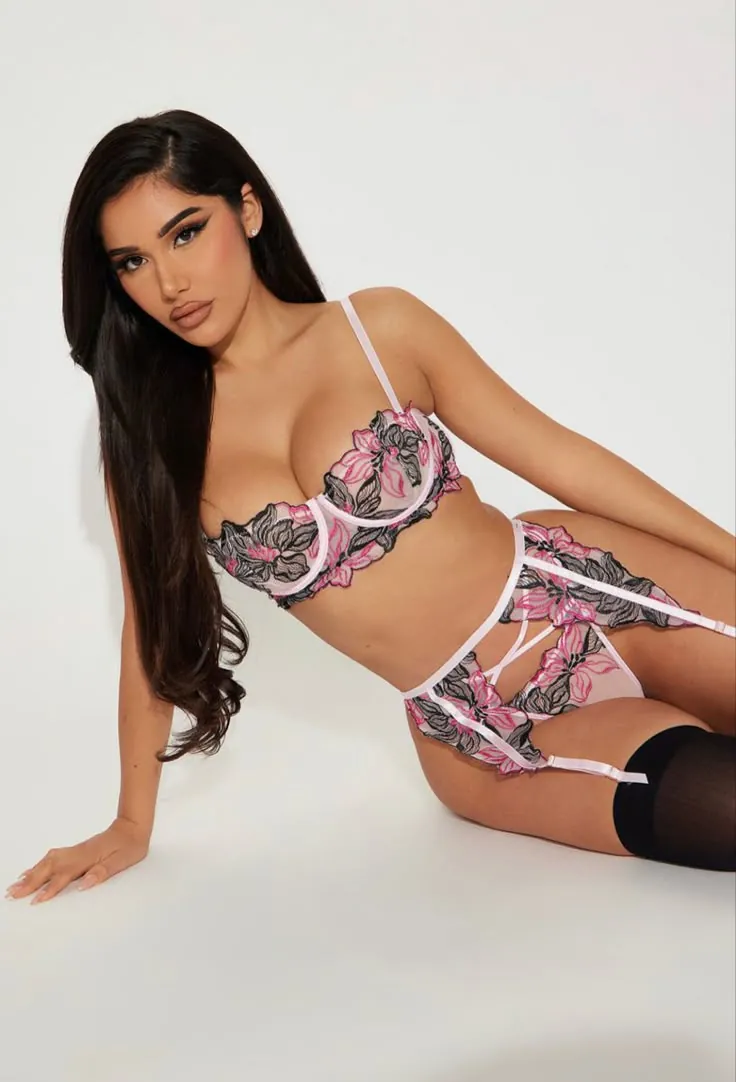
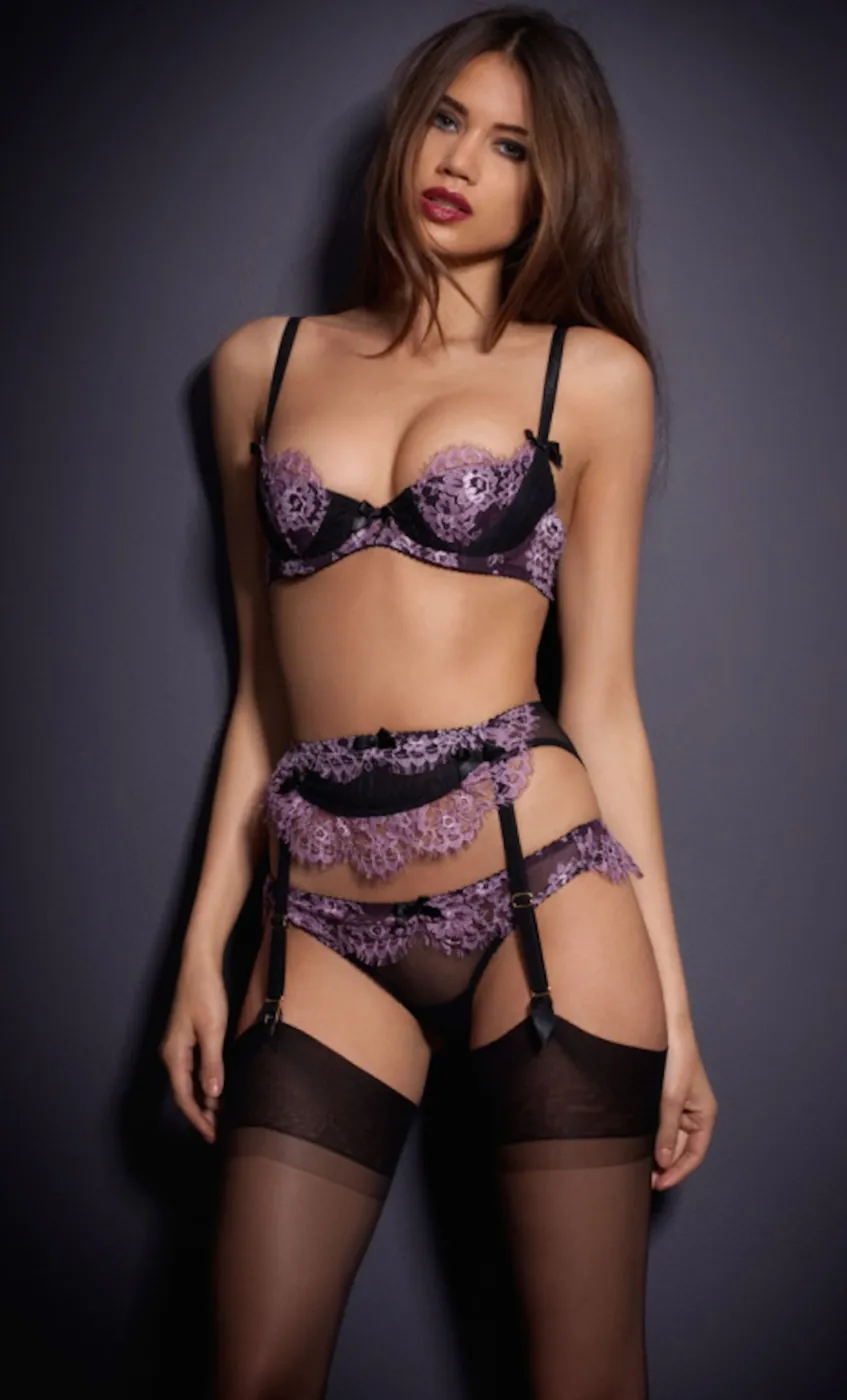
Lace is the most snag-prone of all. Always fasten hooks, hand wash where possible, and never wring. When drying, gently pat scalloped edges flat so they do not curl. Heavily embroidered pieces, like the Rosé Embroidered Garter Set, deserve hand washing every time to protect the raised stitching.
Satin
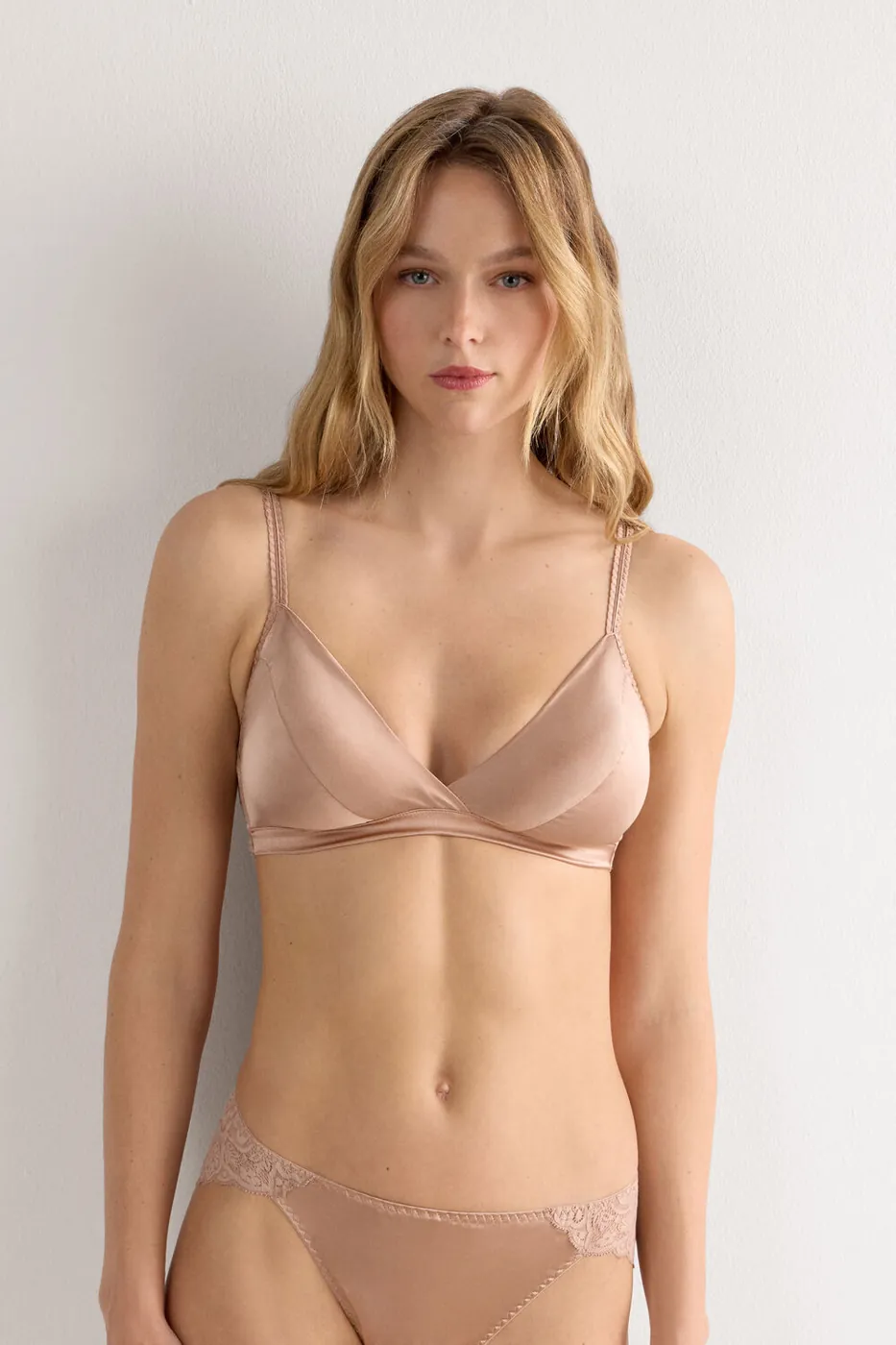
Polyester satin is fairly resilient but shows water marks, snags and creases. Hand wash or use a delicate cycle in a mesh bag, and hang to dry on a padded hanger. Satin pieces such as the Silk Touch Satin Bralette Set and satin babydolls will keep their fluid sheen best if you avoid friction and heat.
Shapewear
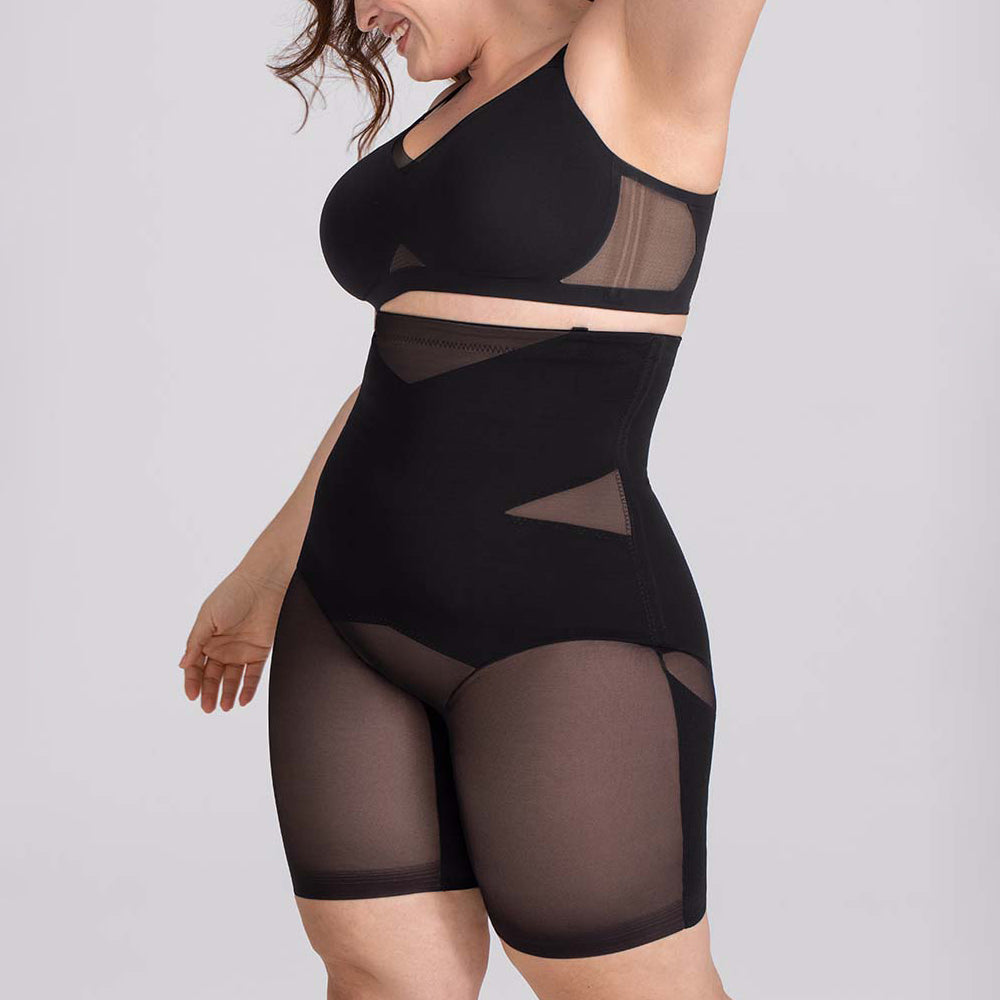
Shapewear works hard, stretching and compressing through the day, so regular gentle washing actually helps the fabric recover. Hand wash or use a cold delicate cycle in a mesh bag, and always dry flat. Never tumble dry. Pieces like the SuperPower Sculpt Short keep their sculpting power longest when they rest between wears. For more on getting the most from compression pieces, see our shapewear guide.
Padded and molded cups
Never fold one cup into the other, which can create permanent creases or dents. Hand wash, press out water gently without squeezing the foam, and let cups dry in their natural rounded shape, stuffed lightly with a soft cloth if needed.
Corsets
Structured corsets with boning are best spot cleaned with a damp cloth and a little mild detergent, then aired out. Always follow the specific care label.
Removing Stains and Odors
Act quickly. Fresh stains are far easier to lift than set-in ones, and heat sets most stains permanently.
Problem
What to do
Makeup and foundation
Dab with a little gentle detergent on a soft cloth, working from the outside in; rinse in cool water.
Deodorant marks
Soak in cool water with a small amount of white vinegar for 15 minutes, then wash as usual.
Blood
Rinse immediately in cold water only; never warm. Dab with mild detergent and repeat until it lifts.
Body oils and yellowing on whites
Pre-soak in cool water with a little gentle detergent and a spoonful of baking soda, then hand wash.
Lingering odors
Add a splash of white vinegar or a spoonful of baking soda to the soak water; air dry fully in a well-ventilated place.
Self-tanner or lotion transfer
Treat promptly with mild detergent and cool water; avoid rubbing, which spreads the color.
Always test any stain treatment on a hidden area first, and avoid stain removers containing bleach on lingerie.
Storing Your Lingerie
How you store lingerie matters as much as how you wash it. A thoughtfully organized drawer protects shape, prevents snags and lets you see everything you own.
Nest molded bras. Place one bra behind another, cups tucked into cups, in a single row. Never fold a molded bra in half.
Fold soft bras and bralettes gently in half, with straps tucked inside the cups.
Use dividers or small boxes to separate briefs, bras and delicates so lace does not catch on hooks.
Hang corsets and babydolls on padded or velvet hangers, or lay them flat. Delicate slips like the Blush Satin Babydoll hang beautifully without creasing.
Store silk in breathable cotton pouches, not plastic, which can trap moisture.
Keep drawers dry and fresh. A cedar block or an unscented sachet helps; avoid spraying perfume directly onto garments.
Packing for travel
Nest molded bras together and fill the cups with rolled briefs or socks to keep their shape. Slip everything into a lingerie travel pouch or a zippered wash bag to keep it separate from shoes and toiletries. Bring a small travel bottle of gentle detergent so you can hand wash in a hotel sink.
Stylist tip: Store matching sets together. You will reach for them more often, and you will wear both pieces evenly, so neither wears out before the other.
Rotation and When to Replace
Rotation is the secret of long-lasting lingerie. Wearing the same bra day after day never gives the elastic time to recover. A practical everyday wardrobe includes at least three to four bras in rotation: one to wear, one resting and one in the wash, plus special-occasion pieces.
Signs it is time to replace a bra
The band rides up or feels loose, even on the tightest hook.
Straps no longer stay in place, even when adjusted.
Underwire pokes through the fabric or has bent out of shape.
Molded cups are creased, dented or peeling.
The fabric is pilled, thin, overstretched or discolored.
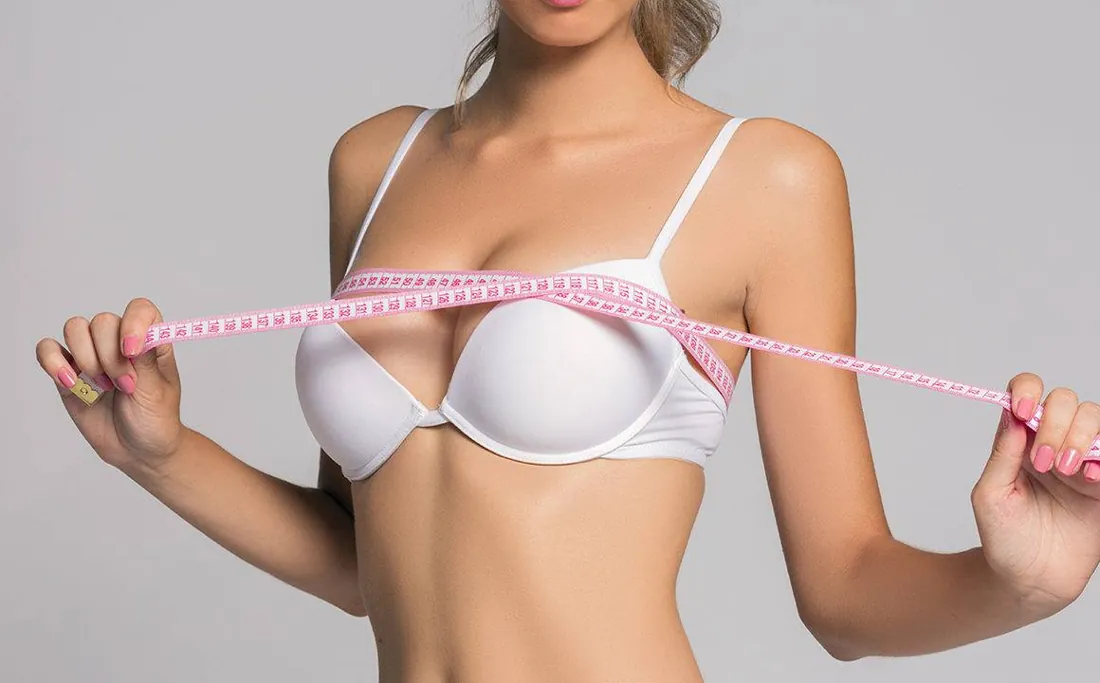
With good care and regular rotation, an everyday bra can often last many months, and special-occasion pieces worn less often can last for years. Keep in mind that sometimes a bra feels wrong not because it is worn out, but because your body has changed. Before replacing, it is worth re-checking your size with our guide on how to measure your bra size.
The Takeaway
Caring for lingerie comes down to a handful of habits: wash cool and gentle, skip the dryer, air dry in shape, store thoughtfully and rotate your favorites. These small rituals protect elastic, lace and color, and they keep every piece feeling as good as the day you first put it on.
When it is time to refresh your drawer, explore the full Daffanny collection and find new favorites worth caring for.
Frequently asked questions
Many everyday bras can be machine washed on a cold, delicate cycle inside a mesh laundry bag with all hooks fastened. Always check the care label first, and hand wash lace, silk and molded cups whenever possible.
Dryer heat breaks down elastic, can warp underwires and deform molded cups, and may shrink delicate fabrics. Air drying in shape keeps lingerie supportive for much longer.
Wash an everyday bra after two to three wears, or sooner in hot weather or after sweating. Briefs, sports bras and hosiery should be washed after every wear.
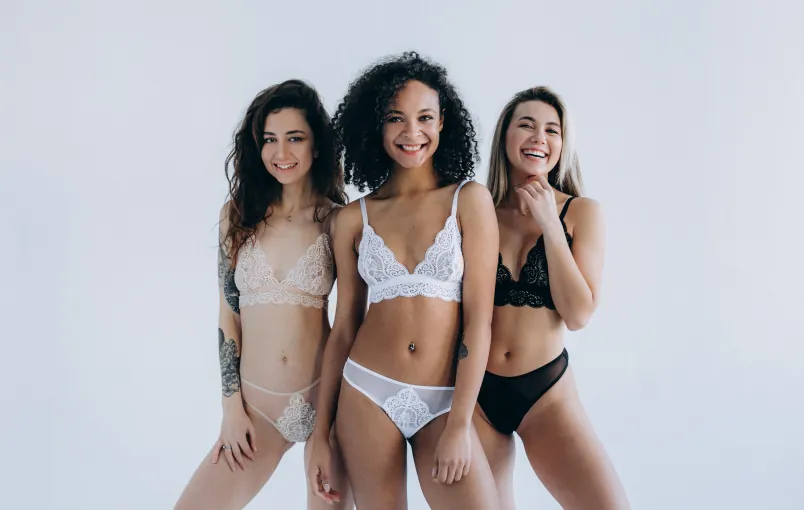
Lingerie can be a quiet act of self-care. Discover rituals, kinder self-talk, and simple ways to build a drawer full of pieces that make you feel good in your own skin.
From Chantilly lace to silky satin and invisible microfiber, learn how each lingerie fabric feels, performs and wears, and how to choose the right one for you.